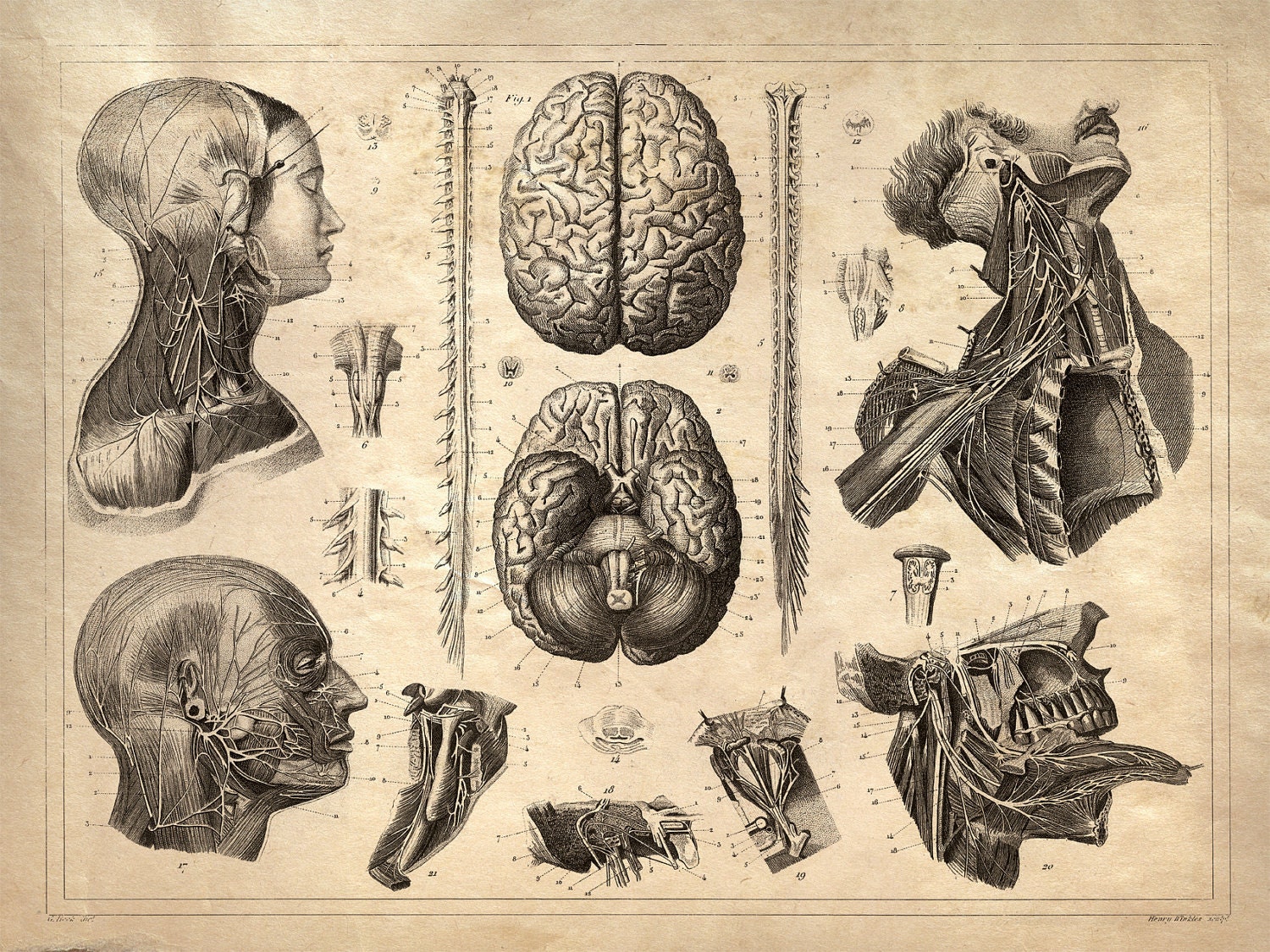
1. It is easier to memorize some latin than it is to learn all of those structures and functions by rote memorization alone. Many of the names for anatomical structures are just locations and visual descriptions in latin. By learning latin, one can often identify completely unfamiliar structures through the latin description alone. Not only is this less raw information to process in the end, it also leads to a much more in depth understanding of Biology and its nomenclature.
Example: Cauda Equina
2. That's right you lazy little puke, you will need to learn some latin, as well as some greek. If you find this distasteful, you should not only get the fuck off of my blog, but lazy little pukes like you should save us real scientists the headache of having to take up your intellectual slack. So stop right here and consider another degree program if you don't like it!
Repetition is key. By covering the labels of diagrams and making photocopies, you can create unlabeled diagrams to be filled in from memory as an exercise.
3. Try visualizing anatomical structures in three dimensions. When studying, try to imagine where you can find these structures on your own body.
4. Use mnemonic devices. The carpals, for instance, can be remembered with the phrase "Some Lovers Try Positions That They Can't Handle," with the first letter of each word representing a carpal. Another example is "Never Let Monkeys Eat Bananas," which represents the leukocytes and their concentration levels typical in the blood.
5. Get triple exposure to the material. Read the assigned text before its corresponding lecture period. Without worrying about remembering too much, identify any potential questions or unclear concepts so they can be addressed during lecture. Finally, take good notes. Reviewing these will constitute exposure to the material for a third time.
6. Take full advantage of lab time. This is especially important in the case of dissection. Whether you're working with cats, fetal pigs, or human cadavers, you'll simply need to take the time necessary to develop an eye for what your looking for. Recognizing structures on a cadaver is far more difficult that doing the same on a diagram.
7. When examining prepared, histological slides, try to draw what you are seeing in as much detail as possible. This will help encode the information in the brain in multiple ways. It also ensures that you spend enough time examining the slide visually.
8. Many structures are known by multiple names. While this may not be a requirement of your professor, learning the possible alternatives will be important when you actually start working in a clinical situation.
9. Cramming is extremely ill advised. Not only will you almost certainly not get an A, but you won't retain very much. Reviewing the material on a weekly basis will go a long way towards passing those licensing and entrance exams in the future.
10. Try telling stories to your friends and family. Being able to synthesize the information into a narrative that can be recited to others helps lead to a more in depth understanding of the material being memorized.
11. Don't miss out on sleep in favor of study time the night before an exam. Proper rest and a healthy breakfast with adequate protein and low glycemic carbs (fast carbs lead to a crash) will lead to better performance on tests.
12. An approach centered on in depth understanding of material is very important. It's possible to get good grades by working hard and understanding relatively little, but this devalues the GPA in the end, and leaves you ill equipped to deal with the realities of graduate school or clinical work.
13. Some professors post their presentation material online before the lecture. While it may seem convenient to bring your own paper copy of the lecture to add notes to, it is highly recommended to take notes the old fashioned way. Taking a complete set of your own notes turns the otherwise passive learning process of lecture into an active one. It forces one to engage and process the information in a way that will make it easier to remember.
I hope these tips are helpful! Leave any questions you have about study habits or A&P specifics in the comments below. Thank you.
Stephen is a senior level biology student. He works professionally as a tutor for undergraduate students of biology and other subjects. Other areas of expertise in biology include microbiology, genetics/molecular biology, field ornithology, and evolutionary biology. When he isn't wearing the hat of a scientist, Stephen often dons the hat of an amatuer philosopher, with a keen interest in propositional logic.

No comments:
Post a Comment